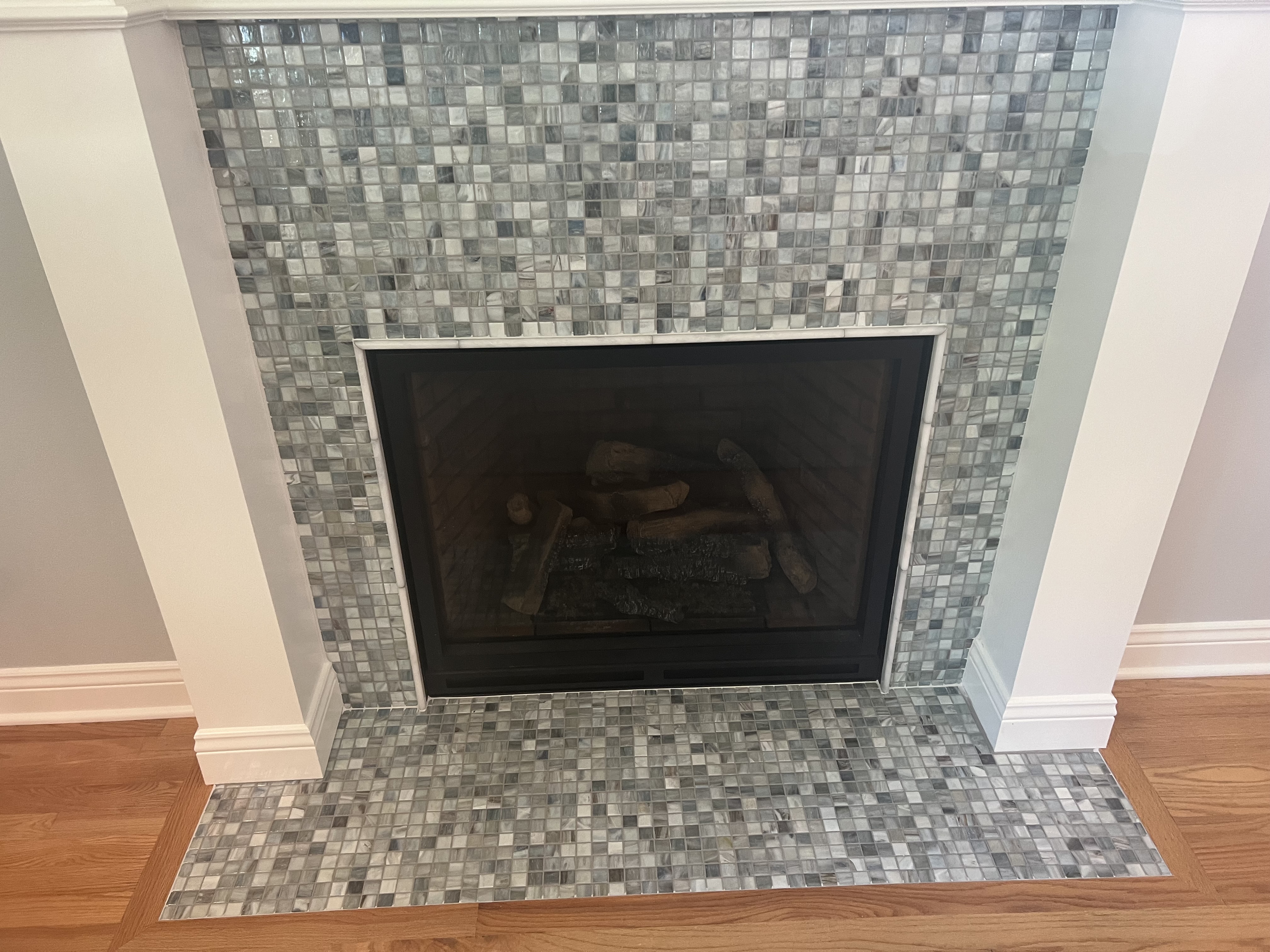
Weather-Proof Wonders: Choosing the Right Tiles for Every Climate Oct 13, 2026
Tiles are a popular choice for flooring and walls due to their durability, beauty, and ease of maintenance. However, not all tiles perform equally in every environment. Understanding how tiles respond to humid, dry, cold, or hot climates will help ensure you get the best performance and value for your investment.
In humid climates, moisture is a constant concern. Ceramic and porcelain tiles are excellent choices for humid areas because they resist water absorption and are less likely to warp or rot. Porcelain tiles, in particular, are denser and less porous, making them ideal for bathrooms or kitchens where humidity levels fluctuate. When selecting tiles for humid environments, it's crucial to also use high-quality grout and sealant to prevent moisture infiltration and mildew growth.
For those living in dry, arid regions, the intense sun and temperature fluctuations can be challenging. Natural stone tiles, such as granite or limestone, are excellent choices for dry climates as they withstand extreme temperatures without cracking or fading. Travertine tiles are also a popular choice, offering a rustic look that complements both indoor and outdoor settings. It's important to regularly seal natural stone tiles to maintain their beauty and resistance to the elements.
Cold climates demand tiles that can withstand freezing temperatures without becoming brittle. Porcelain tiles are a preferred choice for colder regions due to their dense composition, which allows them to endure freeze-thaw cycles without damage. Installing tiles with a textured surface can also provide added grip and reduce the risk of slipping on icy surfaces. If you’re installing tiles outdoors in a cold climate, make sure they are rated for frost resistance to prevent cracking.
In hot climates, the focus should be on tiles that can resist heat and maintain a comfortable surface temperature. Again, porcelain tiles excel because they resist heat buildup and offer a cool surface underfoot, which is ideal for patios and sun-drenched areas. Terracotta tiles also work well in warm climates, providing a rustic charm while remaining relatively cool to the touch. It is equally important to select lighter colors to reflect sunlight and keep the temperature down.
No matter the climate, choosing the right tile requires attention to material, texture, and color to ensure your tiles complement your living space while providing practical benefits. Consulting with experts, like those at Jays Tile Styles LLC, can guide you in selecting tiles that will stand the test of time in your specific environment. Additionally, investing in proper installation and maintenance will considerably extend the life of your tiled surfaces.
As you embark on your tiling projects, consider the local climate that affects your choice of tiles. By doing so, you will not only enhance your home's aesthetic but also increase its durability, keeping it beautiful for years to come. Trust the expertise of Jays Tile Styles LLC to help you make the best tile choices that fit your home’s needs, ensuring your space remains a weather-proof wonder.
