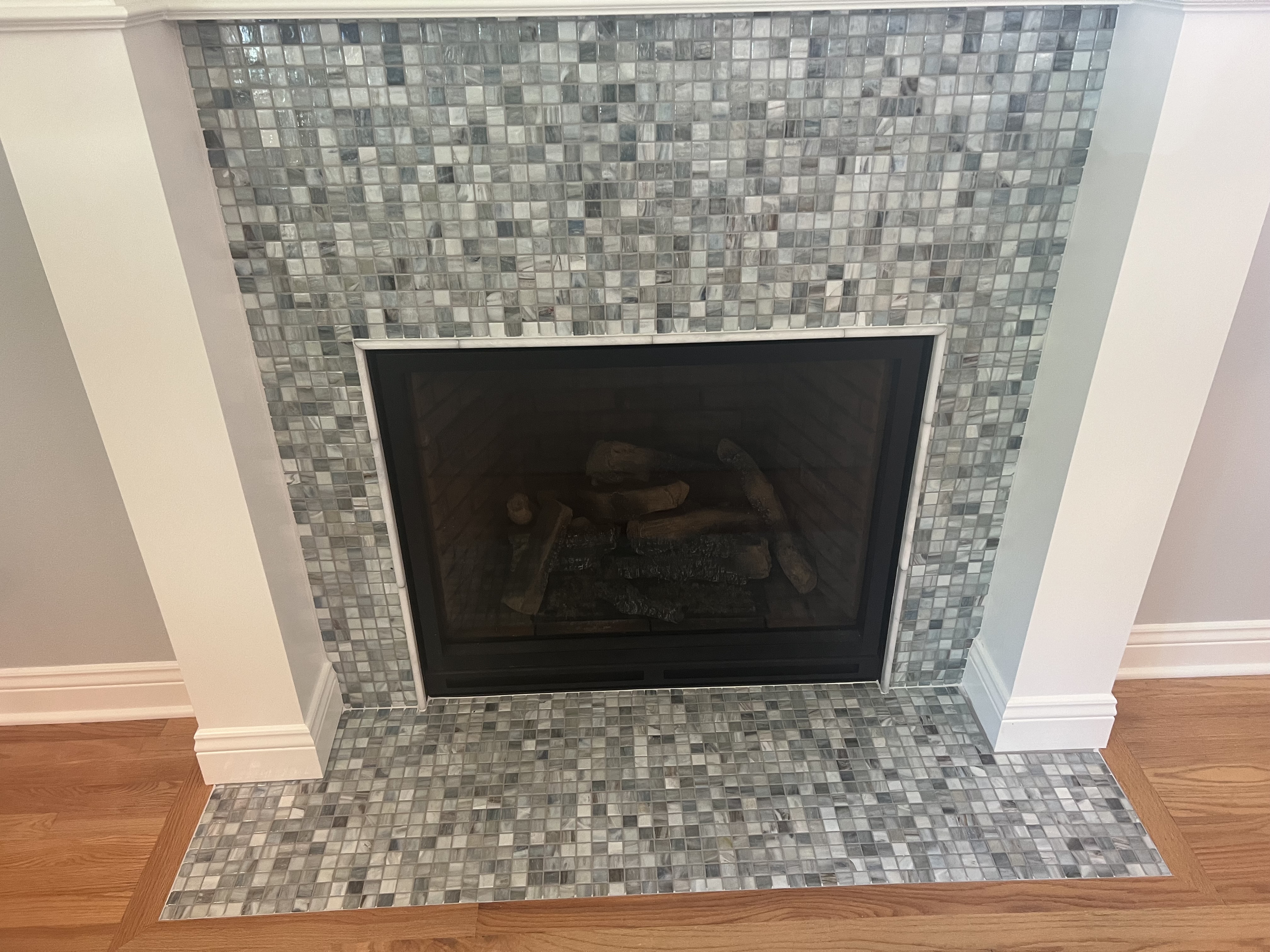
Elevate Your Interior: The Magic of Combining Textures with Tile Designs Sep 09, 2026
Tiling offers a versatile way to introduce texture, as tiles themselves come in a range of surfaces, sizes, and finishes. From the glossy sleekness of ceramic tiles to the rugged beauty of natural stone, there’s an endless variety of textures to explore. By combining different tile textures, homeowners can achieve depth and complexity in their designs, making their interiors more engaging and dynamic.
One effective way to incorporate texture is by mixing different tile materials. Pairing smooth glass tiles with textured stone tiles can create contrast that draws the eye and adds interest. This contrast is not just aesthetic but tactile, as the varying surfaces provide a unique sensory experience. Imagine walking barefoot across a floor that transitions from cool, polished marble to the rustic charm of slate—every step becomes an experience.
Color also plays a crucial role when combining textures with tile designs. Varying shades and hues can enhance or mute the textural elements, depending on the desired effect. For example, using a monochromatic color scheme in varying textures can create a sophisticated yet understated look, while contrasting colors in different textures can make bold statements. This is particularly effective in kitchens and bathrooms, where both functionality and style are paramount.
Specific spaces in your home can benefit significantly from the strategic use of textured tiles. In the bathroom, a blend of smooth and textured tiles can help define zones, such as the contrasting textures between a shower area and the main flooring. Similarly, in the kitchen, a backsplash combining glossy and matte tiles can frame your cooking area, pulling the design elements together cohesively.
The interaction of light with tiles also has a profound effect on the perception of texture. Glazed tiles reflect light, making small spaces feel larger and more open. On the other hand, more textured, matte tiles absorb light, giving a space a cozy, intimate feel. By considering the natural and artificial lighting in a room, you can select tiles that not only complement the light but enhance it, adding to the overall ambiance of the space.
While experimenting with tile textures, remember that balance is key. Too much complexity can overwhelm a space, while too little may fail to make an impact. Transitional areas or feature walls are excellent spots to add a textured tile design without overwhelming the entire room. This approach allows you to enjoy the beauty and sophistication of texture while keeping the design cohesive and manageable.
At Jays Tile Styles LLC, our goal is to help you transform your space through innovative tile designs that capture your vision and lifestyle. By skilfully pairing tile textures, you can create an interior that not only stands out but also feels like home. If you're ready to explore the possibilities, our team is here to guide you through every step of the process, ensuring that every tile reflects your personal style and enhances your living space. Let the magic of textures transform your home—one tile at a time.
/filters:no_upscale()/filters:format(webp)/media/ebab14a3-1a29-4ea9-b39f-594db1420ca6.jpeg)